Look inland, too
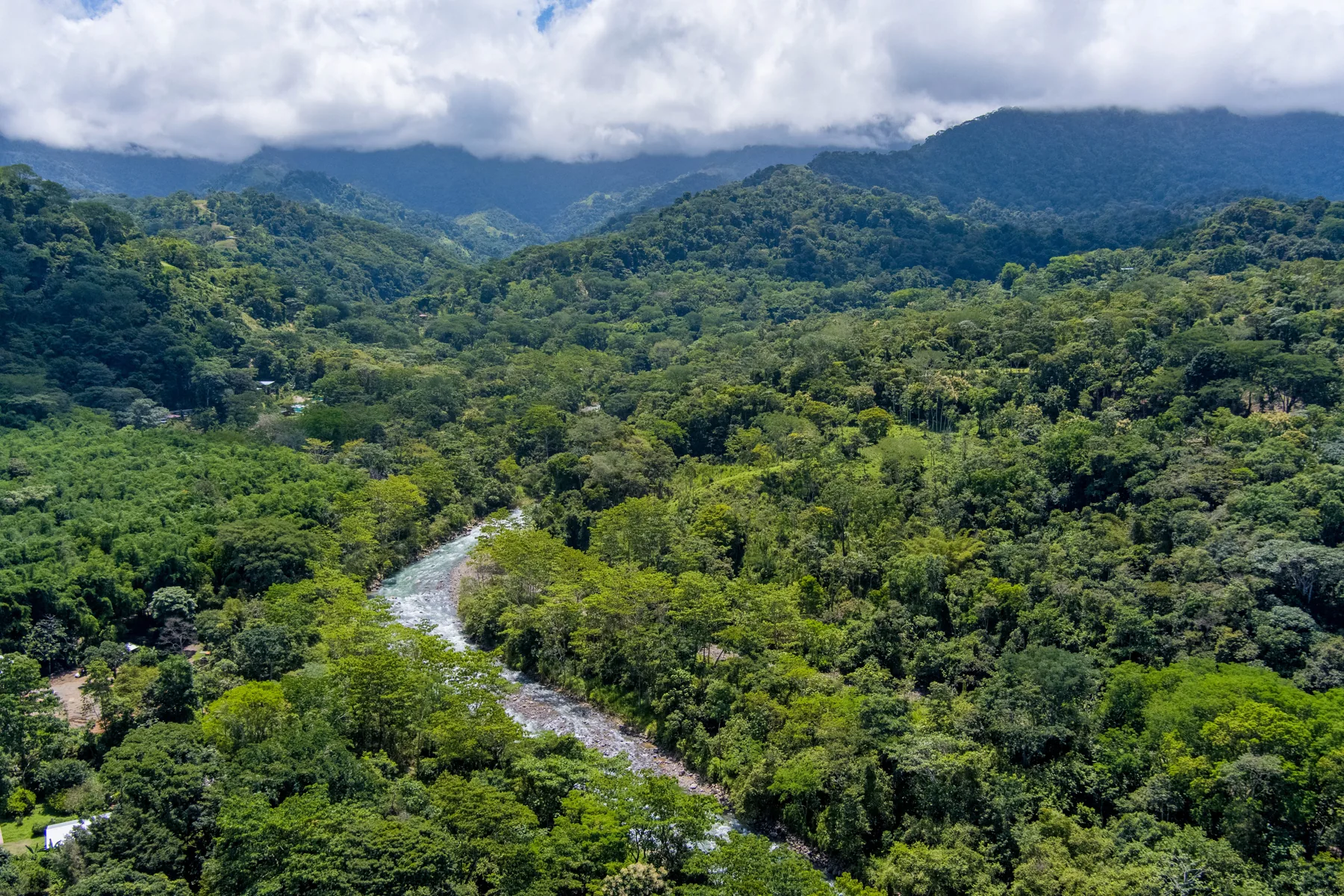
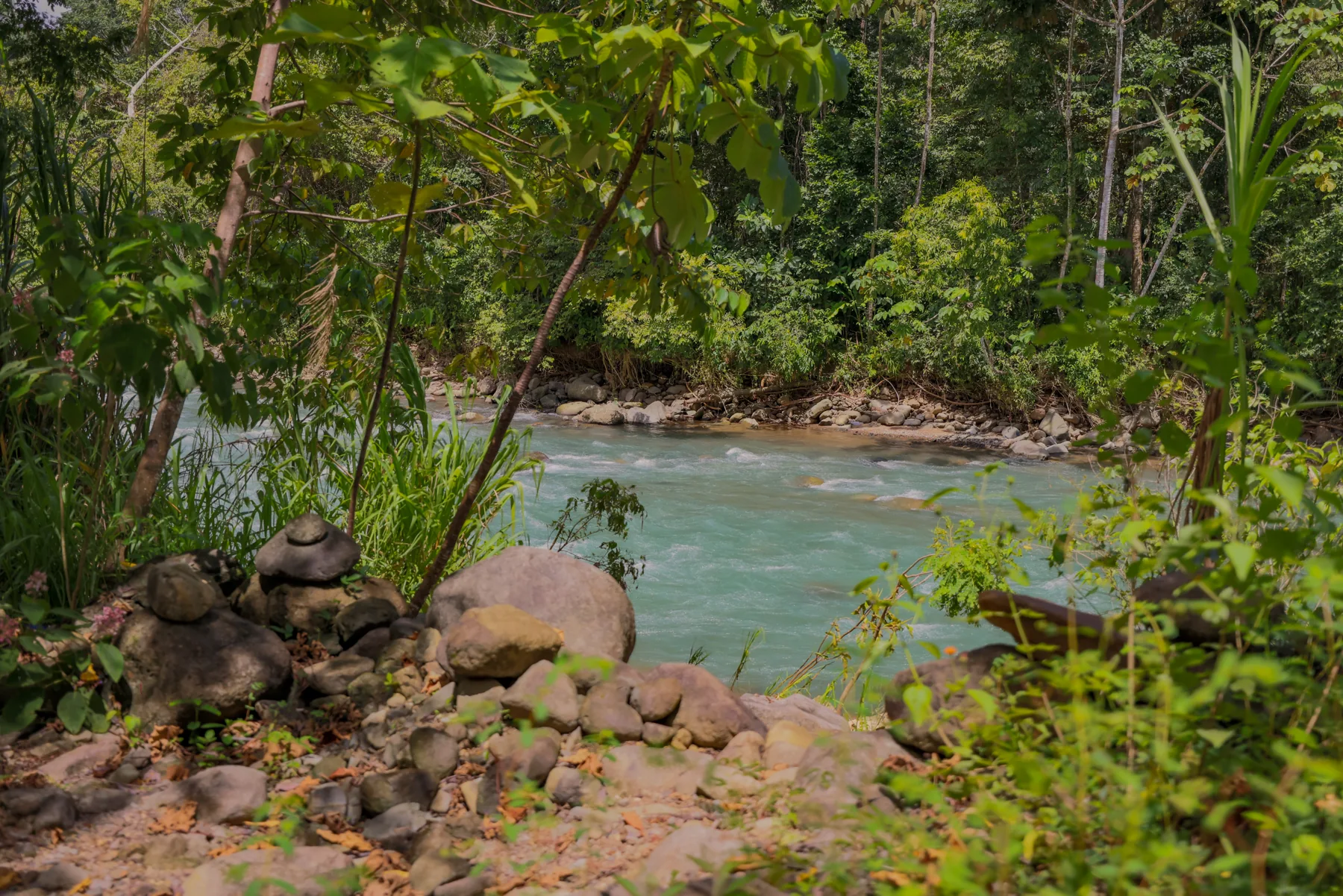
The coast tends to get the first photograph. Uvita’s rivers deserve the second. Make room for a morning away from the beach and you begin to understand why people come here for more than an ocean view: the forest, freshwater and everyday life of the town belong in the same picture.
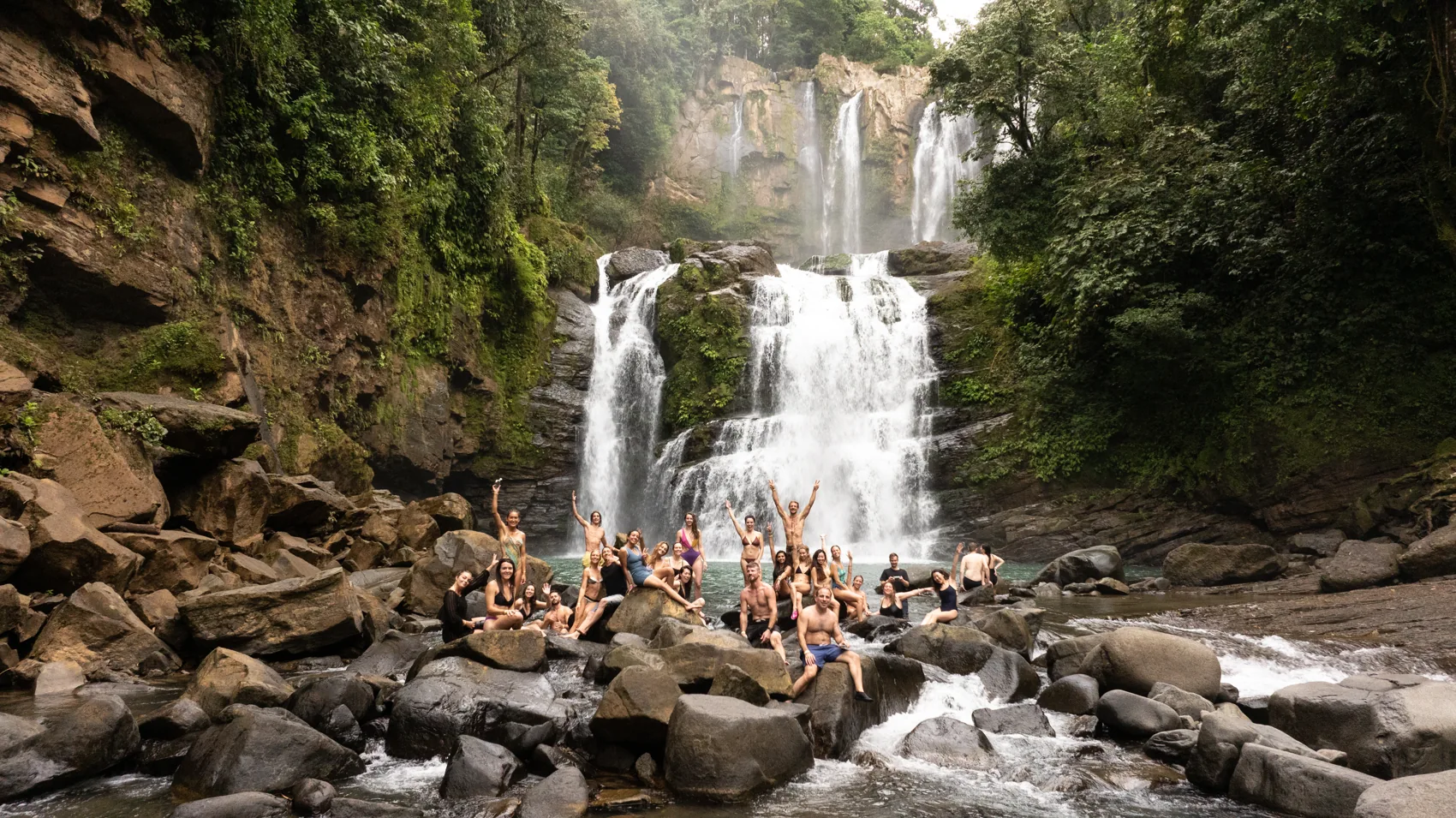
Catarata Uvita is one way into that story. But if you arrive looking for a tidy account of who first found the waterfall, when it acquired its name, or an ancient legend attached to its pool, the published record is less certain than some travel writing suggests. A beautiful place deserves a truthful introduction.
What we know—and what is still a local conversation
We have not found a reliable published history establishing a discovery date, an original owner, or a specific Indigenous story for Uvita Waterfall. That does not mean the waterfall has no human history. It means those details need evidence, ideally including the voices of residents who know this place across generations.
There is documented recognition that Uvita’s wider history deserves more attention. SINAC, Costa Rica’s conservation authority, identified historical research as a priority in its 2008 management plan for Marino Ballena National Park. Subjects included Hacienda Bahía, the old mule route, banana production, Uvita’s incorporation into Osa, and changes from fishing toward tourism. These are research topics recorded for the surrounding area, not established milestones in the waterfall’s own history.
That distinction matters. The story of a town is not automatically the story of every natural feature within it. We would rather leave an honest space for local knowledge than fill it with a borrowed legend.
A place within a living town
Uvita is often introduced through Punta Uvita, the whale-tail-shaped sandbar inside Marino Ballena National Park. The local information center also describes the town as a base for surrounding waterfalls, forested ridges and farms. Looking inland adds those layers to a visit that could otherwise stay entirely on the coast.
For a traveler, the useful question becomes less “Who discovered this?” and more “Who can help me understand it?” Ask the people welcoming visitors what has changed during their lifetime. Ask which months alter the river most, or what they remember about the surrounding neighborhood. Listen without expecting every answer to become a grand origin story. Sometimes the most interesting detail is a small, specific memory.
Plan the morning, leave the afternoon open
We would build a visit around one main outing, with time afterward for lunch and a slow return. Before leaving, ask the Synergy team or the local information center to confirm the current entrance, directions, opening arrangements and river conditions. Use the exact destination name; the region has several waterfalls, and a general search for “Uvita waterfalls” can lead to a very different excursion.
Bring drinking water, a towel and shoes you can walk in comfortably on wet ground. Keep a dry layer for afterward and protect anything that should not get splashed. Leave valuable items behind where possible, so the morning can stay simple.
If you want to add a guided adventure, book it as a separate experience rather than assuming it is included with waterfall admission. The Uvita Information Center lists canyoning and canopy outings with their own meeting points, equipment and participation requirements.
Let the river set the terms
A waterfall is worth visiting even when swimming is not the right choice. Ask staff about that day’s conditions and follow their direction. Rain upstream can change a river even when the sky directly overhead looks clear. Stay out during high or fast water; do not treat a photograph of someone sliding or jumping as advice to do the same.
For retreat groups, give people a genuine choice about joining the outing. Someone may want to move through the forest; someone else may want a quiet morning back at Synergy. The best shared itinerary leaves enough space for both.
Come back with the photograph, of course. But leave room for a conversation, too. That is how a place begins to feel like somewhere you have visited, rather than somewhere you have collected.